
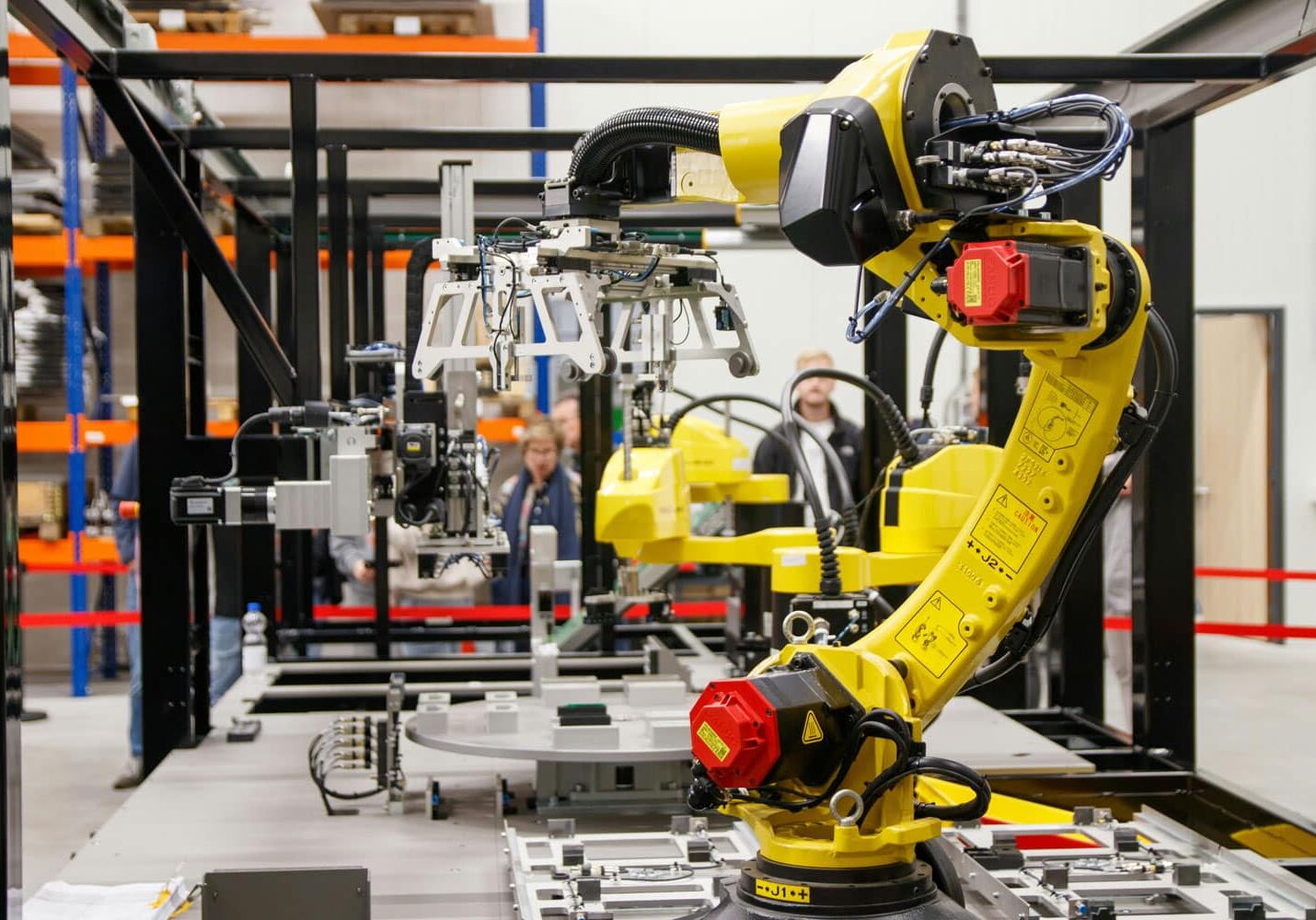
Automation is reshaping the manufacturing landscape faster than ever before. In 2026, smart factories powered by AI, robotics, IoT sensors, and data analytics are becoming the standard, not the exception. Industry reports show that manufacturers are investing heavily in smart manufacturing initiatives—often allocating 20% or more of improvement budgets to automation hardware, predictive tools, cloud computing, and agentic AI systems that can reason, plan, and act autonomously. This shift isn't about replacing workers; it's about handling repetitive, hazardous, or precision-intensive tasks so people can focus on higher-value work like oversight, innovation, problem-solving, and quality optimization.
For job seekers in manufacturing, warehouse, and distribution, this evolution opens doors to more stable, better-compensated positions. Roles that once centered on manual labor are giving way to hybrid opportunities where human expertise collaborates with technology. In Oklahoma, particularly around Tulsa, this trend is accelerating with new investments in advanced manufacturing hubs, such as facilities at the Tulsa Port of Catoosa integrating precision components, industrial automation, and systems assembly for sectors like aerospace and energy. These developments highlight growing demand for adaptable talent who can thrive in tech-enhanced environments.
The good news? You don't need to be a tech expert starting from zero. Many current manufacturing professionals already have foundational experience that pairs perfectly with emerging tools. By upskilling strategically, you position yourself for roles that offer career growth, higher pay, and long-term security. Specialized staffing partners like Certified Source play a key role here, using customized job matching to connect skilled candidates with employers seeking precisely those evolving capabilities, while providing resources like resume builders to showcase your progress.
High-Demand Roles Emerging from Automation in 2026
As automation handles routine tasks, high-demand manufacturing jobs in 2026 center on roles that blend hands-on experience with digital fluency. These positions often command stronger compensation and offer clearer paths for advancement compared to traditional entry-level spots.
Here are some of the most sought-after roles:
Automation and Robotics Technician/Specialist
Maintain, program, and troubleshoot robots and cobots on production lines. Skills in collaborative robotics and basic interfaces are essential.
CNC Programmer/Operator with Digital Integration
Operate computer numerical control machines while integrating software for automated workflows, reading schematics, and optimizing programs.
Maintenance Technician (Smart Systems Focus)
Perform predictive maintenance using sensors, data analytics, and AI alerts to prevent breakdowns and maximize uptime.
Quality Engineer/Analyst
Leverage AI tools and real-time data for inspections, defect detection, and process improvements, ensuring compliance and excellence.
Controls Engineer or PLC Programmer
Integrate programmable logic controllers (PLCs), SCADA systems, and MES platforms with AI for smarter production control.
Advanced Warehouse/Distribution Operator
Manage automated inventory systems, autonomous guided vehicles (AGVs), drones, or robotic sorting in modern warehouses.
Operations Data Specialist
Interpret production metrics from dashboards and analytics tools to drive efficiency decisions.
These roles reflect a broader trend: Growth concentrates in mid-to-high-skill areas, with employers seeking workers who can collaborate with technology rather than compete against it. In Tulsa and across Oklahoma, expansions in energy-related and aerospace manufacturing heighten local demand for these capabilities, making it an ideal time for proactive job seekers to align their experience with these opportunities.
Ready to experience the difference performance-based staffing provides?
How Upskilling Positions You for Success in High-Demand Roles
Upskilling means building on your existing manufacturing background with targeted learning in areas that complement automation. You don't need advanced degrees—many pathways involve short certifications, online courses, community college programs, or on-the-job training.
Prioritize these key skills for 2026:
Robotics and Automation Basics
Learn PLC programming fundamentals, cobot interfaces, and sensor technologies to handle automated equipment confidently.
Data Literacy and Analytics
Get comfortable reading dashboards, using simple tools like Power BI, and applying insights from production data.
AI and Machine Learning Awareness
Understand how AI supports predictive maintenance or scheduling—no deep coding required, just practical application.
Cybersecurity Fundamentals for Industrial Systems
Know basic protections for connected factory networks, as threats grow with connectivity.
Adaptability and Problem-Solving
Hone soft skills like critical thinking, teamwork, and quick learning to excel in dynamic, human-machine environments.
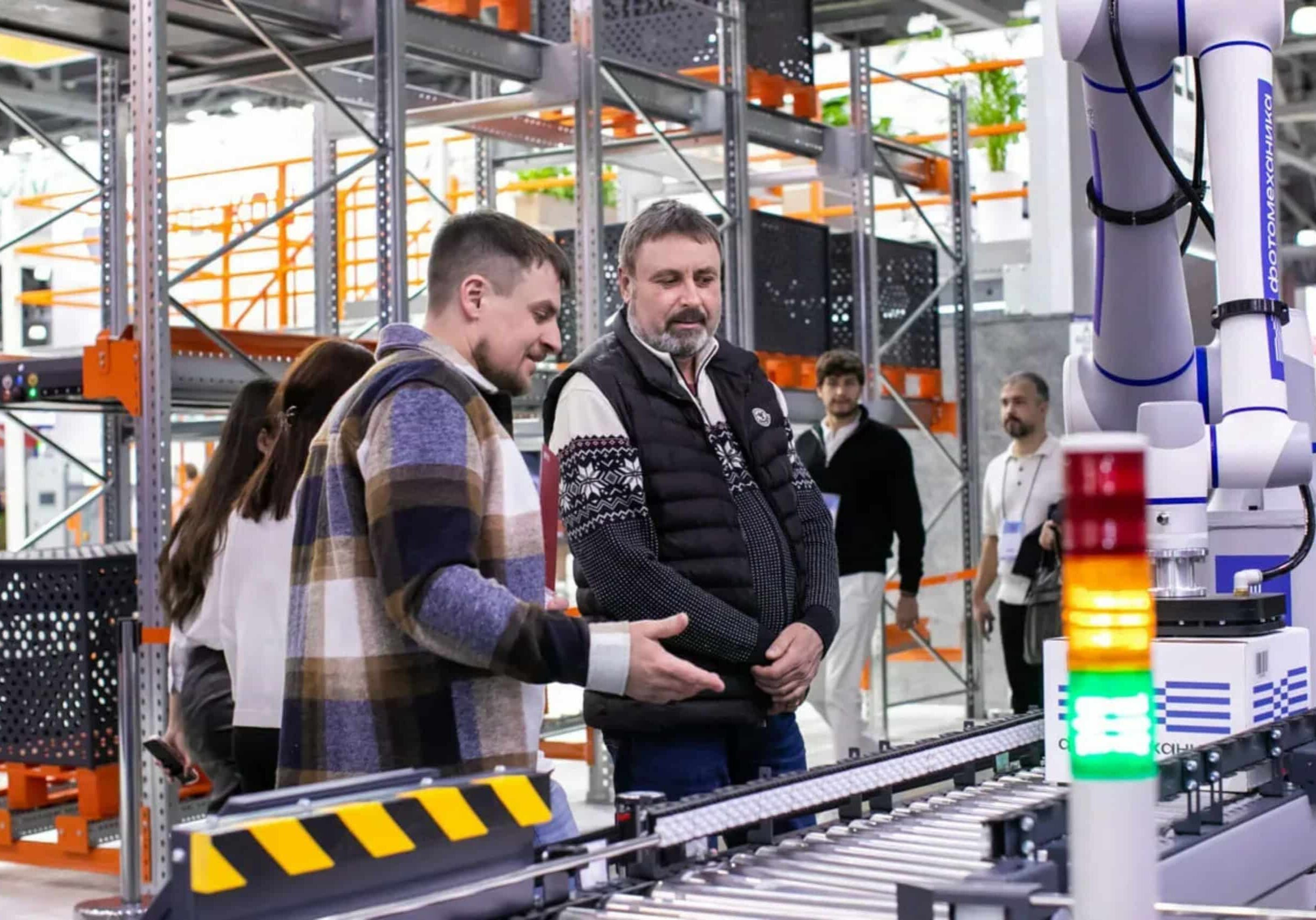
Practical steps include pursuing micro-credentials in Industry 4.0 topics, robotics certifications, or data basics through accessible platforms. Many employers value demonstrated initiative, and showing these efforts on your resume can set you apart.
Certified Source supports this journey by offering customized matching that aligns your current skills and upskilling goals with suitable roles. Their process starts with a quick survey to identify fits, includes free resume-building tools to highlight new competencies, and features performance-based placements where you can prove your abilities in real settings before committing long-term. This thoughtful approach ensures connections to employers who value career progression and invest in talent ready for modern demands—rather than generic placements.
By focusing on these areas, you gain faster access to rewarding positions, better job stability, and pathways to advance within growing Oklahoma facilities.
Take the Next Step Toward Your Future in Manufacturing
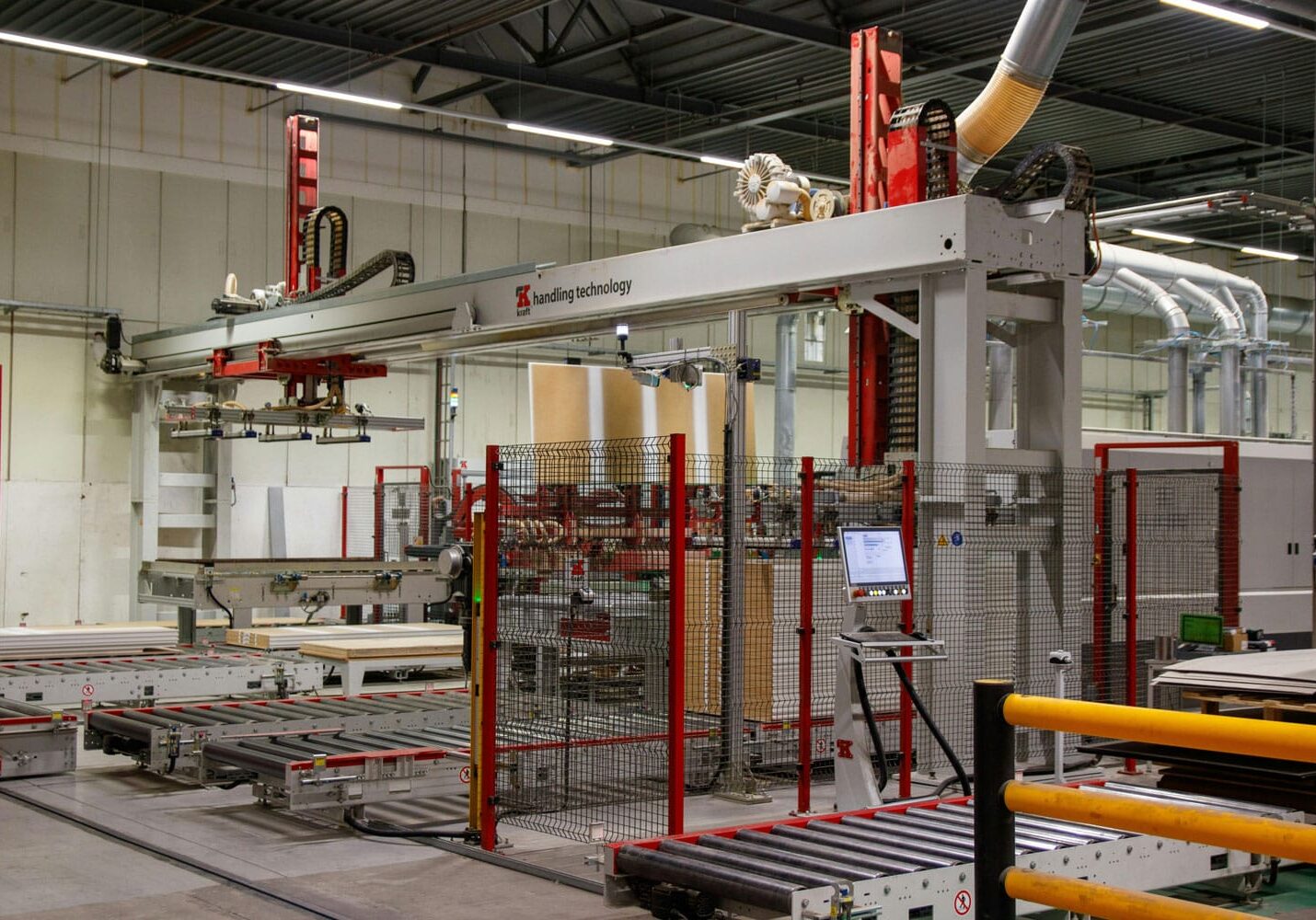
Automation in manufacturing isn't a threat—it's an opportunity to elevate your career in 2026. By embracing change and investing in relevant upskilling, you can access high-demand roles that reward technical collaboration, problem-solving, and adaptability. In Oklahoma's thriving scene, especially around Tulsa, forward-thinking employers are building teams equipped for smart, efficient operations.
Assess where you stand today, pursue targeted learning that builds on your strengths, and connect with a partner who understands the industry deeply. Certified Source specializes in manufacturing, warehouse, and distribution staffing, using their expertise as Certified Staffing Professionals to match candidates thoughtfully with roles that support long-term growth. Start with their online tools to refine your resume and explore opportunities tailored to your aspirations.
The manufacturing sector in 2026 values workers who see technology as an ally. With proactive steps, you can secure a position that not only meets today's needs but positions you for ongoing success in an exciting, evolving field. Your next rewarding role is waiting—take that first step now.
Ready to explore vetted opportunities?
Visit Certified Source today, complete their instant job match assessment, and launch your performance-proven path. Your next great role awaits.